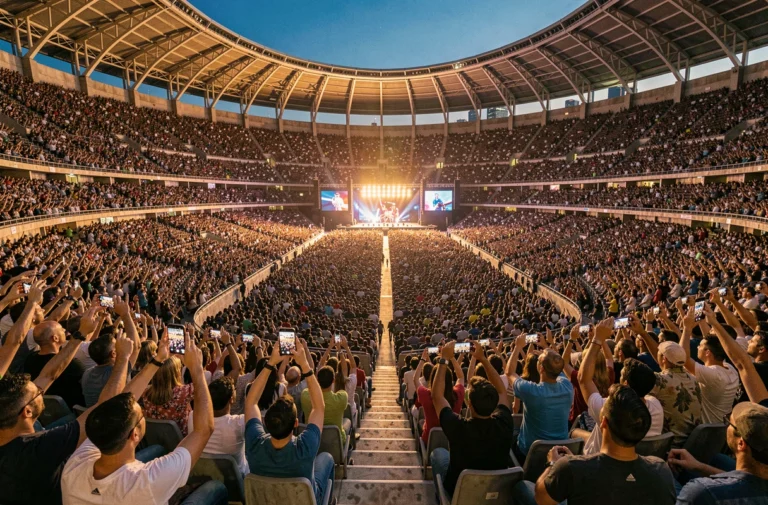
You’ve already tried a classic escape room, solved a few padlocks in a decorated room, and now you’re looking for a more intense experience. Rooms described as immersive or “horror” all promise thrills, but the difference between two experiences can be considerable.
The French escape room market also seems to be contracting: some venues are closing, while others are refreshing their scenarios. Before you book, a few practical criteria can help you tell the rooms that will leave a lasting impression from those that will disappoint.
Sensory effects in an escape room: what to check before booking
Most booking pages list a difficulty level and sometimes an intensity rating. These indicators are vague. Two rooms rated “very scary” can offer radically different experiences.
What really varies from one room to another are the sensory effects used: sudden sounds, prolonged darkness, blindfolds, smoke, and vibrations. There is no standard sound level for escape rooms. Some rooms use loud, sudden noises to make players jump, while others rely on a continuous, oppressive soundscape.
Before booking, ask the venue directly which effects are used. A good venue will specify whether the scenario involves total darkness, loud sounds, or physical surprises. Venues specializing in immersive experiences often provide this information on their websites, as on https://mindtrap.fr, where the scenarios describe the game mechanics on offer.
This transparency isn’t a luxury. It lets you make an informed choice, especially when the group doesn’t agree on what they’re comfortable experiencing.
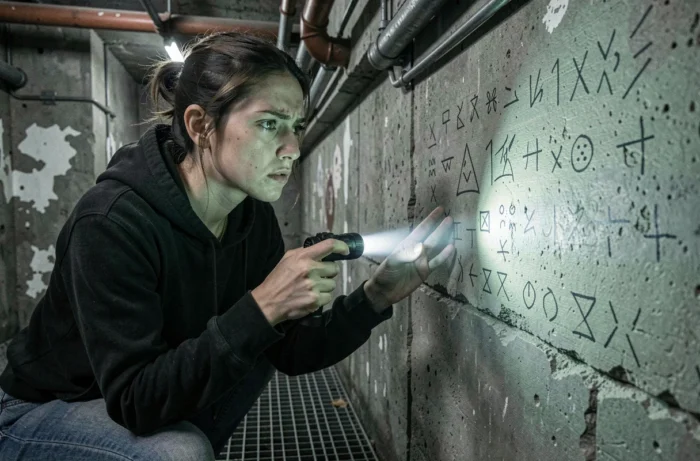
Escape rooms with a group: navigating different comfort levels around fear
There are five of you. Two love horror movies, a third is claustrophobic, a fourth can’t stand being touched without warning, and the last says, “It’ll be fine,” without really knowing what to expect. This kind of group dynamic is common, and it can make choosing a room tricky.
Physical contact and consent: a key factor in choosing a room
Some horror rooms involve physical contact with actors. They might grab your arm, guide you through the dark, or separate you from the group. Other rooms don’t involve any contact.
Before booking, ask whether players will be touched, moved, or restrained. Also check whether players can opt out of these effects individually. A well-designed escape room offers a clear way to contact the game master or stop the game at any time.
This goes beyond personal preference. For someone who is anxious or has experienced trauma, being unable to refuse contact can turn the game into an ordeal. A good selection criterion: does the room explain its consent rules before asking for your credit card details?
Putting together a group that suits the chosen scenario
Rather than looking for a room that automatically suits everyone, identify each participant’s limits across three areas:
- Darkness: some people struggle with complete darkness for several minutes, especially when combined with loud noises. Ask whether the room has emergency lighting.
- Noise: sudden, loud sounds can trigger a panic response in some players. Reputable venues specify the types of sound effects in their descriptions or on request.
- Physical contact: beyond the question of consent, some players lose their composure as soon as an actor approaches them. It’s better to know this before the game than during it.
If someone in the group has a strong limit in any of these areas, choose a room that lets you adjust the experience or offers several intensity levels.
How long an immersive escape room really takes: beyond the advertised 60 minutes
Most escape rooms advertise a 60-minute game. That figure doesn’t reflect the total time you’ll spend at the venue. The briefing, setup, and debriefing often add a significant amount of time to the session.
Some immersive experiences go well beyond the classic one-hour game format. When a room advertises 60 minutes, plan to spend an hour and a half to two hours at the venue. This matters when organizing your outing, especially on a weekday or if you need to pick up children.
Before booking, check two separate details: the actual game time and the total time you should allow. If the venue doesn’t distinguish between the two, ask. A vague answer on this point often signals a broader lack of attention to detail.
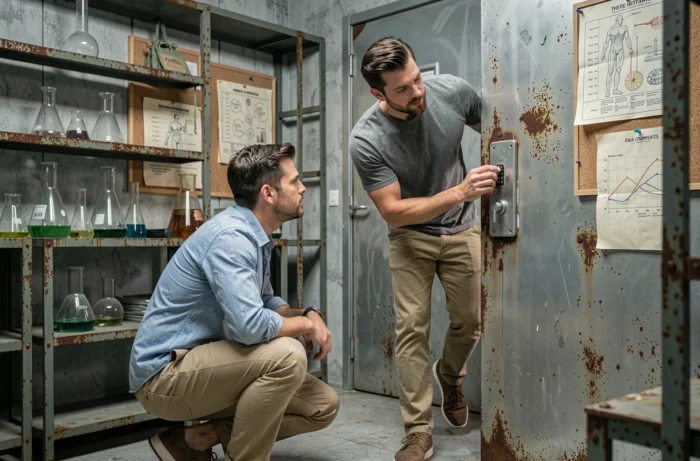
Set, actors, scenario: the three pillars of a truly immersive room
A well-designed set isn’t enough to create an immersive experience. You might be impressed when you enter the room, then get bored ten minutes later if nothing happens. Immersion comes from the interplay between the setting, the actors, and the scenario—not from any one of these elements alone.
The rooms that leave a lasting impression share one thing: the scenario unfolds as you play. Actors react to your actions, the atmosphere changes according to your choices, and the tension builds gradually. By contrast, a room where actors stick to a fixed script quickly loses its immersive power.
How to spot a quality room without trying it first
Online reviews can help, as long as you read between the lines. Look for comments describing specific moments rather than overall ratings. A review that mentions “the actor adapted their performance to our group” or “the ending changes depending on the decisions you make” points to a carefully crafted experience.
Specialist rankings distinguish between several levels of horror in escape rooms. This tiered terminology (eerie atmosphere, moderate horror, extreme horror) helps you match your choice to the group’s actual expectations. Ask the venue where it falls on this scale, and, more importantly, what each level involves in practice.
Choosing an immersive escape room means asking the right questions before booking, not afterward. The effects used, options for stopping the game, actual duration, and level of physical contact are all objective details. A room that answers these questions clearly deserves your trust—and probably your nerves.