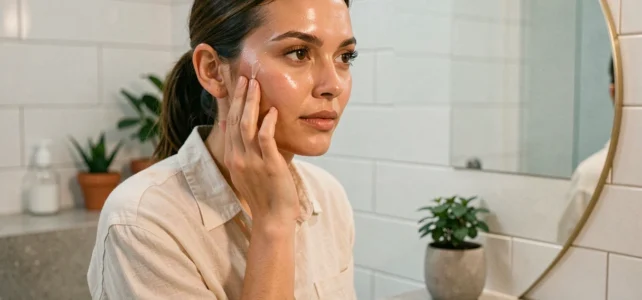
Choosing a skincare product, makeup, or perfume requires understanding what each product truly does. The world of beauty is divided into major families with distinct functions, and knowing how to navigate them helps avoid unnecessary purchases as well as routine mistakes. This guide reviews the key themes and categories to help you build a coherent approach to your skincare.
Environmental Claims in Beauty: What the European Directive Changes Starting 2026
Have you ever noticed terms like “natural,” “eco-friendly,” or “green” on a bottle, without knowing what they actually mean? This ambiguity will soon disappear, at least in part.
The European directive (EU) 2024/825, known as “Empowering Consumers for the Green Transition,” comes into effect on September 27, 2026. It prohibits generic environmental claims (“green,” “eco-friendly,” “environmentally friendly,” “biodegradable,” “sustainable”) unless accompanied by a clear, specific, and verifiable justification on the same medium: packaging, product sheet, or website.
In practice, a brand that claims “eco-responsible formula” without independent third-party certification or accessible data risks sanctions for unfair commercial practices. For you, as a consumer, this means that a product bearing a recognized label (Ecocert, Cosmos, NATRUE) offers more guarantees than just a reassuring word on the label.
When you explore the entire Beauté Chic site, you come across categories that already distinguish certified products from conventional ranges. This distinction will become even more visible as the directive is implemented.
Face and Body Care: Understanding Cosmetic Product Categories
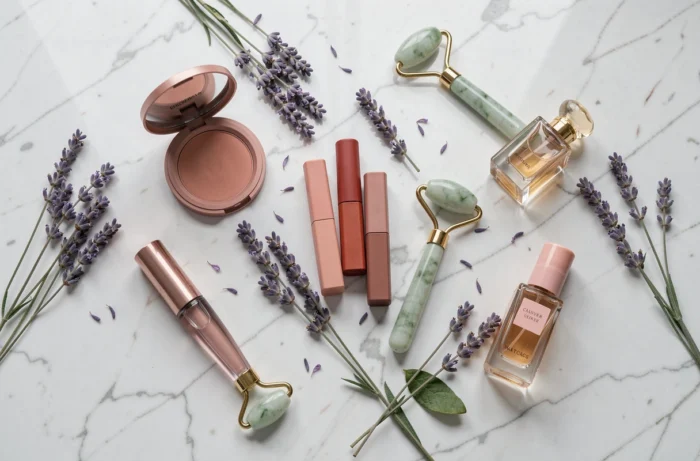
Face and body care forms the foundation of any beauty routine. Each type of product serves a specific role in the care chain.
- Cleansers and Makeup Removers: they remove impurities, sebum, and traces of makeup. Without this step, the active ingredients applied afterward do not penetrate the skin well.
- Serums and Concentrates: formulated with a high concentration of active ingredients (hyaluronic acid, vitamin C, niacinamide), they target specific issues like dehydration or pigmentation spots.
- Moisturizers: they seal in the hydration provided by the serum and protect the skin barrier throughout the day.
- Sun Care: their role goes beyond the beach. Daily sun protection limits premature skin aging and reduces the risk of spots.
- Exfoliants and Masks: used occasionally, they accelerate cell renewal or provide a hydration boost.
The layering logic is simple: you go from the most fluid to the thickest, from cleanser to sun care. Applying a serum after a thick cream is like putting an active ingredient on a film that prevents it from penetrating.
Makeup and Application Techniques: Beyond Color Choices
Makeup is not just about a palette of colors. Two categories of products coexist, and confusing them often leads to disappointing results.
The first category includes complexion products: foundation, concealer, powder. Their role is to unify the skin, mask imperfections, and set the makeup for the day. Choosing a foundation suitable for your skin type (oily, dry, combination) is more important than the brand.
The second category concerns color products: lipsticks, eyeshadows, blushes, mascaras. Here, the texture (matte, satin, creamy) determines the finish as much as the shade itself. A creamy eyeshadow holds better on a dry eyelid than a loose powder, for example.
The application technique also changes the result. An angled brush gives a precise blush line where fingers create a more natural blend. Beauty blenders (wet sponges) are mainly used to blend complexion products without leaving a demarcation.
Hair Products and Perfumes: Two Often Underestimated Categories
Hair care forms a distinct family within the beauty universe. Shampoos, conditioners, masks, and hair serums each meet different needs.
Why distinguish a hair mask from a conditioner? The conditioner acts on the surface, detangling and making styling easier. The mask, on the other hand, penetrates deeper to nourish or repair the fiber. Alternating the two products yields better results than using just one of them at each wash.
In terms of perfumery, the concentration of essential oils and aromatic compounds defines the product category. An “eau de toilette” contains a significantly lower proportion of extracts than an “eau de parfum,” which explains the difference in longevity on the skin. Applying perfume to pulse points (wrists, neck, behind the ears) prolongs its diffusion because body heat gradually releases the fragrant molecules.
Personalized Beauty Routine: Where to Start Without Getting Lost
Building an effective routine does not require ten products. Three steps are enough to cover the fundamental needs of facial skin: cleanse, treat, protect.
The choice of products depends on skin type, not trends. Oily skin does not need a rich cleansing oil, and mature skin benefits more from a peptide serum than from a weekly abrasive scrub.
Active ingredients deserve special attention. Before adding a product to your routine, check that its main actives address an identified need. Glycolic acid exfoliates, retinol stimulates cell renewal, hyaluronic acid retains water. Layering two exfoliating actives unknowingly irritates the skin instead of improving it.
Training in aesthetics and cosmetics, accessible even through organizations offering courses eligible for CPF, allows for a deeper understanding of these concepts for those who wish to make it a profession or simply refine their personal expertise.
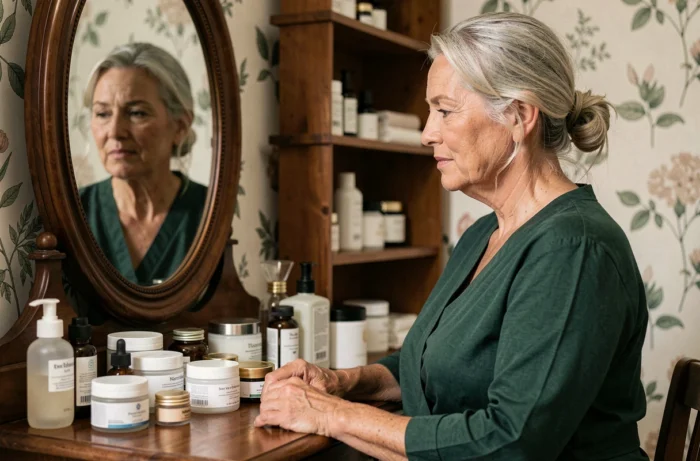
Each beauty category, from facial care to perfume, including makeup and hair care, follows its own logic. The European directive of 2026 on environmental claims will push brands towards greater transparency, making it easier to distinguish between marketing and real effectiveness. It’s better to have five well-chosen products than a shelf full of bottles whose roles are unknown.